Start here
Flamenco in Marbella
Where to see real flamenco in Marbella, what a tablao show in the old town is like, who it suits and what the ticket does and does not cover.
Book the flamenco show ↗Quick answer
Marbella has flamenco in tablaos, small venues built for singers, guitarists and dancers. One is Tablao Flamenco Marbella, on Plaza Santo Cristo in the old town, which stages an improvised one-hour show in a small room, with one drink included and no dinner. It is one of several places to hear flamenco in and around Marbella, so compare formats before you choose. Expect closeness rather than spectacle.
The short answer
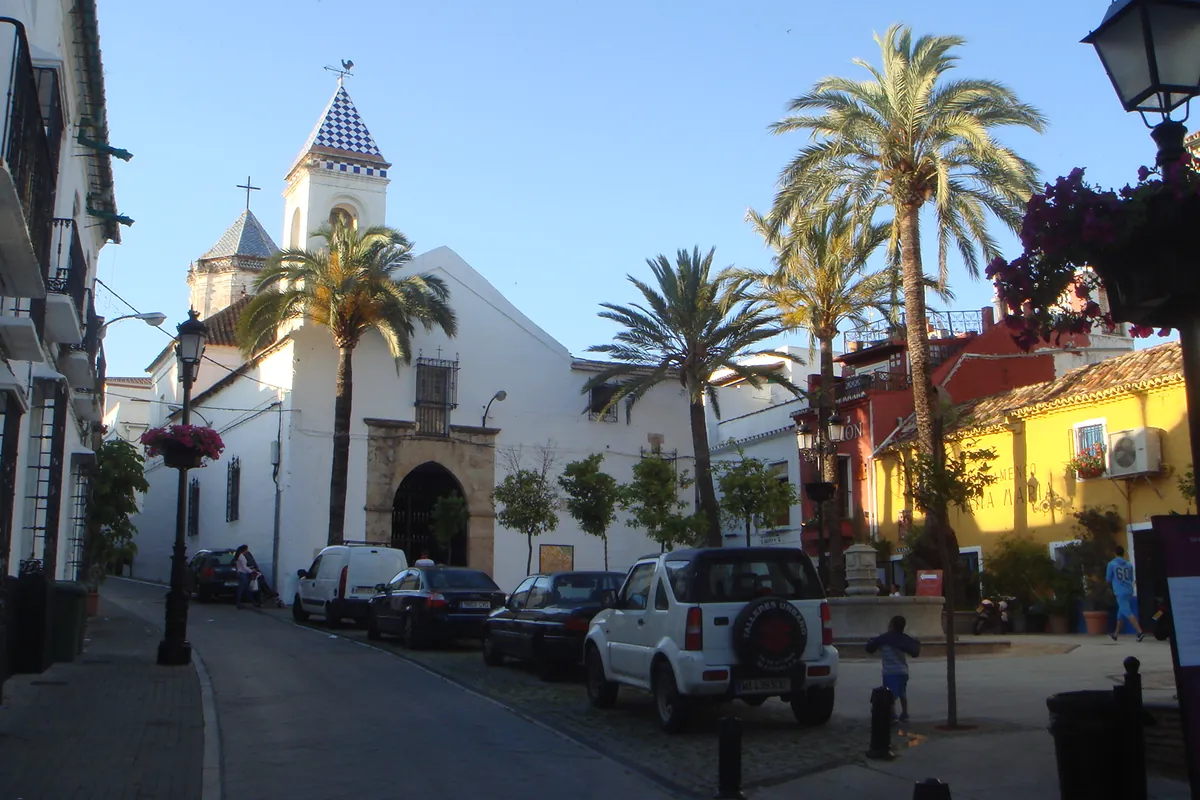
Yes, you can see flamenco in Marbella, and the old town is the easiest place to start. Flamenco is a tradition of song, dance and guitar that comes from Andalusia, the region Marbella belongs to. A tablao is the kind of venue built for flamenco. This site covers one of them: a one-hour show at Tablao Flamenco Marbella, on Plaza Santo Cristo, with a singer, guitarists and costumed dancers, one drink and no dinner. Other flamenco venues exist in and around Marbella, so this page tells you what this one is like before you pick. Because it is short, you keep the rest of the night for a meal or a walk.
What flamenco is
UNESCO treats flamenco as three arts working as one: singing (cante), dancing (baile) and playing (toque). It recognised flamenco as intangible heritage in 2010, and names castanets, clapping and stamping among the sounds that go with it. The knowledge is handed down in families and dynasties, among friends and in flamenco clubs. UNESCO puts the heart of flamenco in Andalusia, and Wikipedia places its emergence around the close of the 1700s in the towns of lower Andalusia. You are watching a living tradition, not a costume show.
What a tablao is, and how this one works
Wikipedia describes a tablao as a venue where flamenco is shown, a word that also names the dancers' floor. The show on this page is at Tablao Flamenco Marbella, Plaza Santo Cristo 4, in the old town. A singer, guitarists and dancers in costume perform, and each show is improvised, without structure or script. The venue keeps to the instruments of 19th-century flamenco, so expect the voice, the guitar, hand-clapping and the dancers' footwork. The ticket covers about an hour in a small group, with one drink included.
What you will hear: the palos
Flamenco is organised into palos, the named styles that give a piece its rhythm and mood. Wikipedia says there are over 50 of them. Four come up most often when people explain flamenco: soleá, alegrías, bulerías and siguiriyas. Because each show here is improvised, nobody can promise which palos you will hear on a given night. The guide to the palos explains how to tell them apart by mood and rhythm, which makes an unscripted hour much easier to follow. Learn the four mood words and you will recognise most of what follows.
- Soleá: solemn, built on a 12-beat cycle
- Alegrías: festive, from the songs of Cádiz
- Bulerías: fast, often a closing number
- Siguiriyas: the deep song of cante jondo
Read next: Flamenco palos, explained
Song, guitar and dance in one small room
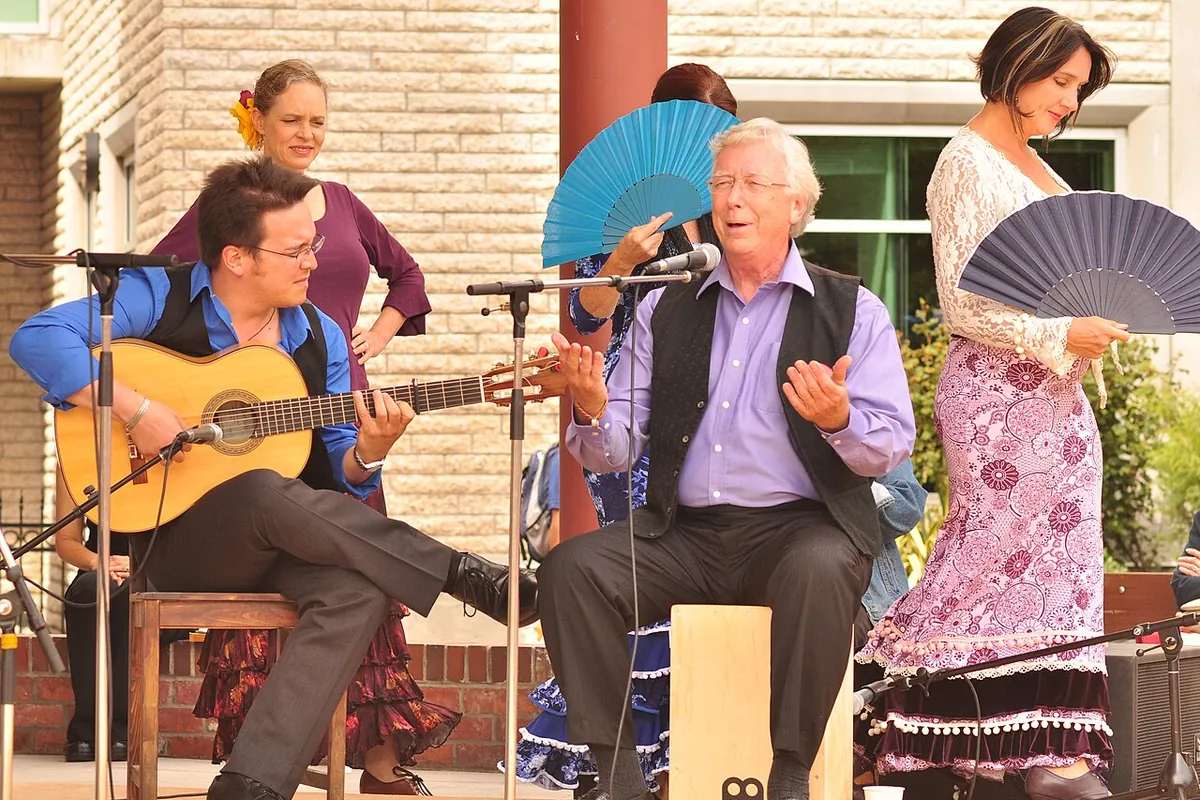
Each of the three arts has its own performer. Wikipedia says a flamenco singer is called a cantaor, and it highlights the dance for its emotional intensity, upright bearing, expressive arms and percussive footwork. It also notes that the genre has an instrument of its own, the flamenco guitar. In a room small enough to hear the dancers' heels, the three are never far apart. Listen for how the three answer one another, because the exchange is what each night is made of. Listen for how the three answer one another, because the exchange is what each night is made of.
Marbella's old town around the show
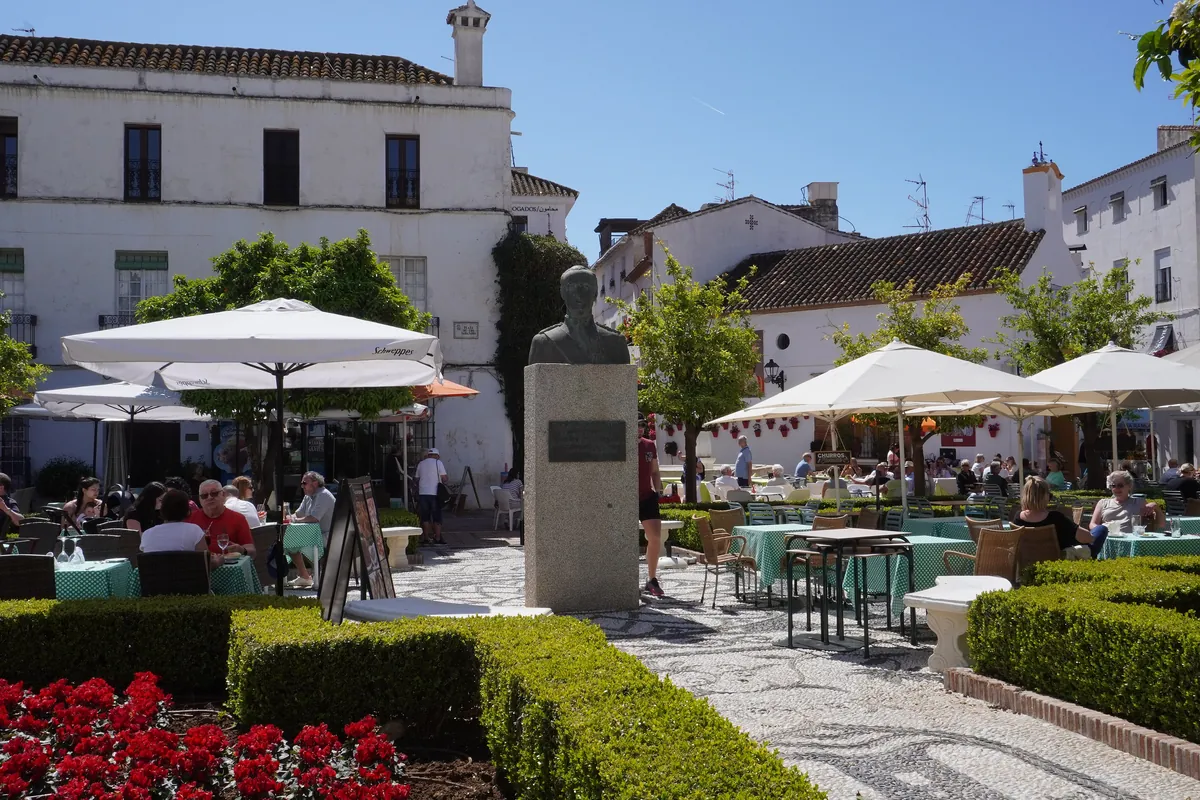
The venue sits in the old town, which Wikipedia says takes in the ancient walls and has kept almost the street plan it had in the 16th century. The Marbella tourism office says the Muslim castle dates to the 10th century and that, in the 16th century, the centre of the medina was demolished to open a square, now the Plaza de los Naranjos. Wikipedia calls that square an example of Castilian Renaissance design. The streets are narrow, so walking is the natural way to reach Plaza Santo Cristo, and the square makes an easy place to eat before or after.
A short glossary
A few Spanish words come up in every explanation of flamenco, and most of them are simple once you hear them used. These six are enough for a small tablao, and each is defined from the sources listed at the end of this guide. Learn them in the order they appear and you will follow a conversation about flamenco anywhere in Spain.
- Cante: the singing; the singer is a cantaor
- Toque: the guitar playing
- Baile: the dance
- Palo: a named flamenco style
- Compás: the rhythm, carried by palmas, hand clapping
- Tablao: a venue built for flamenco shows
What a small room means for you
The room is small, which is both the appeal and the catch. You sit close enough to the performers to watch the footwork and hear the breathing between phrases, and that closeness is why the show is billed as intimate. The catch is that sightlines can be poor from some seats, so arriving early and choosing your spot matters more here than in a large hall. There is no flash photography. Put your phone on silent, and keep still while the singer sings.
Who this isn't for
If you want dinner with your show, this ticket is not the one: it includes one drink and no meal. If you are hoping for a big-cast theatre piece with a fixed programme, a small improvised tablao is a different thing. Anyone who needs a clear view from every seat should arrive early to choose, or pick another format. And if an hour of concentrated listening at arm's length is not your idea of an evening, a sea trip or a walk through the old town may suit you better.
How to book
Open the calendar on this site for open dates and the ticket cost in your currency. Free cancellation is listed up to a day before the show. The meeting details and your drink are covered in the confirmation, so keep it to hand when you go. Pick the date first and read the meeting details once the confirmation arrives. The show is short, and arriving early is the single habit that helps most in a room this small. You book with GetYourGuide, not with the venue, and its buttons may earn this independent guide a small commission without raising your price.
Other ways to spend the evening
Flamenco is one Marbella evening; the sea is the other obvious one. A sunset catamaran trip is that runs about 90 minutes and suits people who want light on the water more than a stage. The two can share a day only if the times on both booking pages leave room, so check both before paying for either. The comparison guide lines them up, with notes on weather, season and who each suits. Either way, read the meeting details on each page before you book, because a small room and a sea trip both reward arriving early.
Read next: Flamenco or sunset catamaran?
Frequently asked questions
Where can you see flamenco in Marbella?
In tablaos, small venues built for flamenco shows. Tablao Flamenco Marbella is on Plaza Santo Cristo in the old town. Other flamenco venues exist in and around Marbella, so compare formats and what each ticket includes.
Is the show improvised?
Yes. The booking page says each show is improvised, without structure or script, and that the venue keeps to the instruments of 19th-century flamenco.
Is dinner included?
No. The ticket includes one drink and no dinner. The old town has places to eat around Plaza de los Naranjos if you want a meal before or after.
How long does it last?
About an hour, in a small group. Your confirmation holds the meeting details, so check it before you set out.
Can everyone see well?
Not from every seat. The room is small and sightlines can be poor in places, so arrive early and choose where you sit.
Can I take photos?
Not with flash. Keep your phone on silent, and keep still while the singer is singing.
Sources